Under Construction
The department of Epidemiology and Biostatistics is a cornerstone of the School of Public Health, dedicated to advancing public health through rigorous scientific inquiry and education. Our department builds upon a strong legacy, having established in 2014 as the Master of Public Health (MPH) program in Epidemiology within the Department of Public Health. To date, we have graduated over 100 MPH specialists in Epidemiology.
In a strategic enhancement, the program has been elevated to form the new department of Epidemiology and Biostatistics. The synergistic integration of these two disciplines provides a powerful, complementary foundation for public health research and practice, offering students an unparalleled, integrated educational experience.
This department has three missions: conduct innovative research, address pressing public health challenges, and teaching both undergraduate and postgraduate courses. Our distinguished department staff’s members are mentoring the next generation of public health leaders and researchers. This is evidenced by the success of our graduates, who have attained influential positions in governmental and non-governmental organizations.
Currently, the department continues to admit MPH students in Epidemiology through different modalities and currently supporting a cohort of approximately eight students. Beyond training knowledgeable and committed professionals, the department actively fulfills its duties to local, regional, and national communities, translating research into impactful public health action.
Head of Department's Message
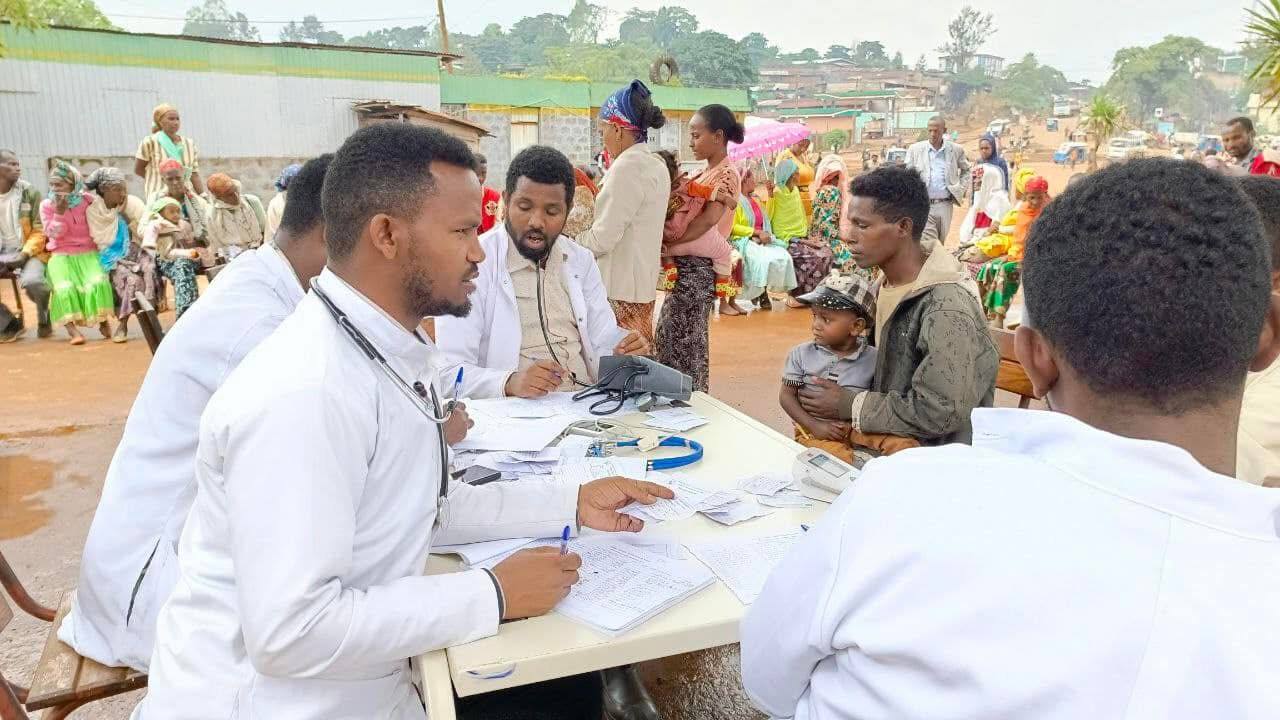
The Department of Nursing at Wollega University is playing a vital role in strengthening Ethiopia’s healthcare system by training competent, ethical, and compassionate nursing professionals. As essential pillars of healthcare delivery, nurses are crucial in promoting health, preventing disease, and providing critical care at all levels of the health system.
Although progress has been made, research indicates that the density of nurses in Ethiopia remains around 0.7 per 1,000 people—well below the World Health Organization's recommended minimum of 4.45 per 1,000 to achieve Universal Health Coverage. This indicate that Ethiopia continues to face significant challenges include a shortage of qualified nursing staff, high patient-to-nurse ratios, limited access to professional development opportunities, and a lack of integration of evidence-based practices.
Our department strives to solve the problems relevant to our field. To achieve our vision, I would like to invite different stakeholders, governmental and non-governmental organizations to collaborate with us.
With my best regards,
Program Admission Requirement (Eligibility)
- Applicants must:
- Have a natural science background
- Meet the Ministry of Education criteria for entry into degree-level programs.
- Be physically fit, capable of undertaking essential clinical diagnostic techniques (inspection, palpation, percussion, auscultation), and free from hearing impairments.
Preferably, those who choose to enter the profession.
Vision
- To produce knowledgeable and compassionate professional nurses who deliver the highest quality of patient care, truly making a meaningful difference in patients’ lives.
Mission
- To develop competent and innovative nurses across diverse specialties through practical, lifelong learning; to engage in research, technology transfer, and community service; and to uphold good governance in support of sustainable development.
- To produce competent, compassionate, innovative, and ethically grounded nurses equipped with a comprehensive blend of knowledge, clinical skills, and professional attitudes, capable of delivering high-quality, evidence-based care, addressing the diverse health needs of individuals and communities, and fulfilling their vital roles within the broader healthcare system and society.
Objectives of Comprehensive Nursing Program
Prepare competent and motivated Comprehensive nurses who are able to:
- Provide high-quality comprehensive nursing care ethically and professionally.
- Manage common communicable and non-communicable diseases.
- Manage common MCH, RH, emergency, and mental health problems
- Promote and prevent disease.
- Engage in teaching, learning, research, and community outreach activities
- Lead and manage nursing care services.