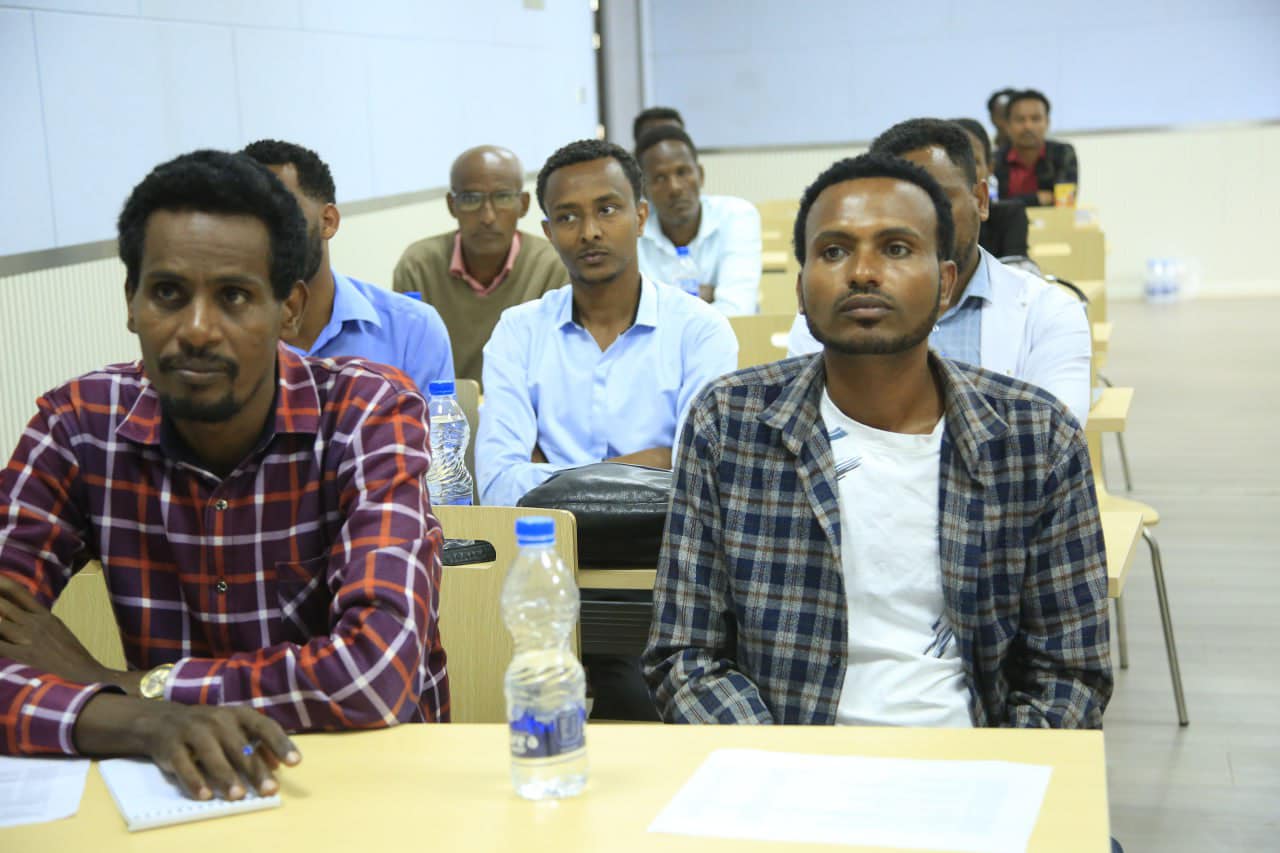
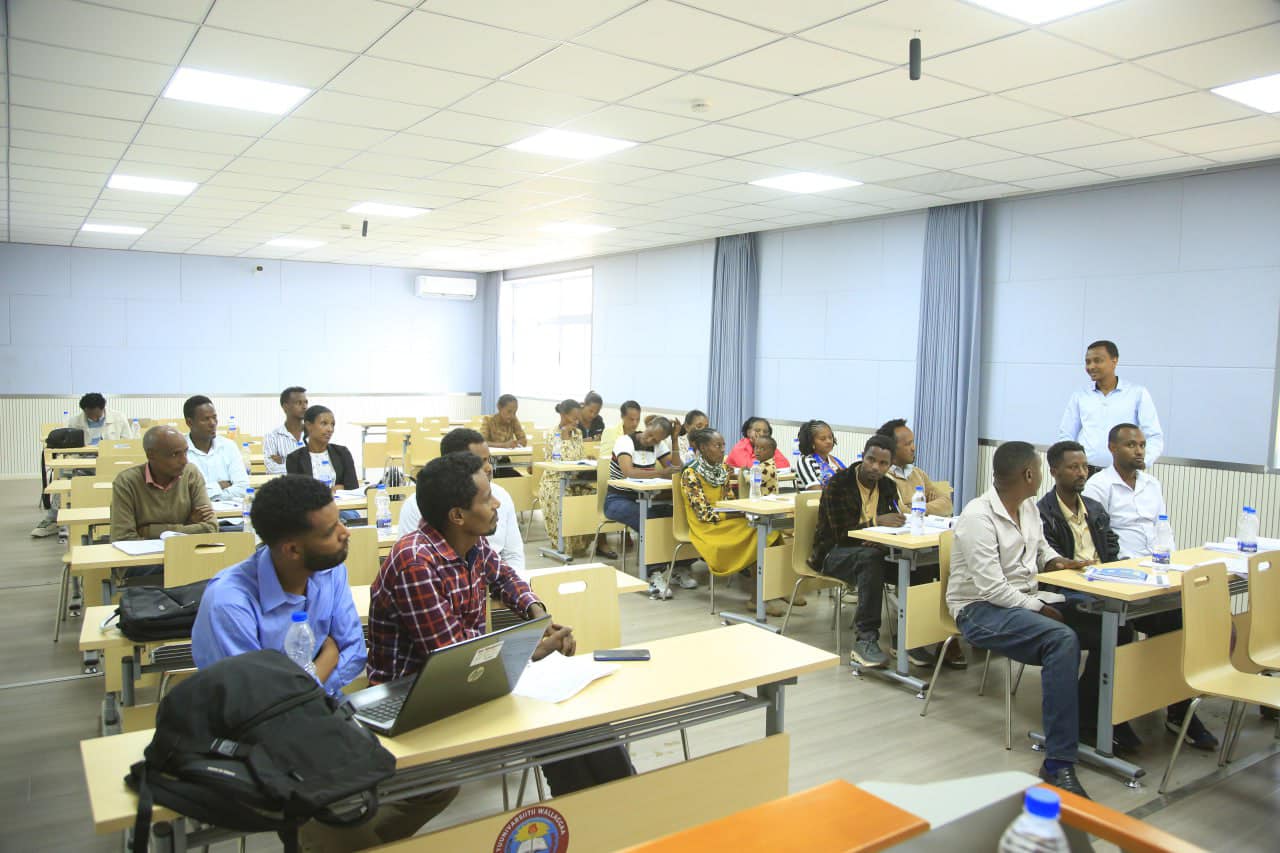
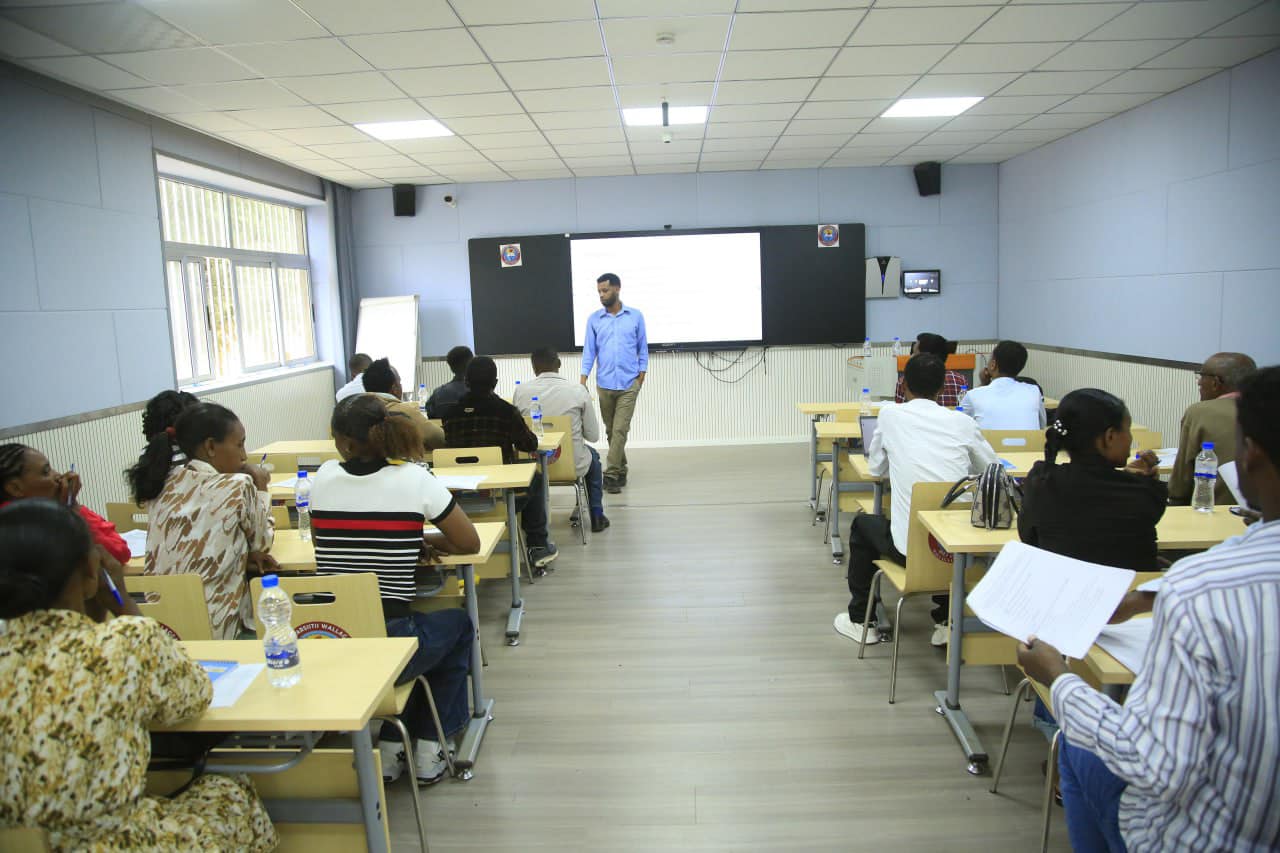
 The First Phase of Training of Trainers (TOT) on “Strengthening Community-Based Emergency and Pre-hospital Care through the Implementation of an Integrated and Innovative Community–First Aid Responder (CFAR) System at the Leeqaa Demographic Surveillance Site (LDSS), East Wollega, Oromia, Ethiopia” is currently underway at the Wollega University Institute of Health Sciences, targeting health professionals.
Dr. Derje Chala, Director of Research and Innovation at Wollega University, highlighted that the primary objective of the training is to reduce preventable mortality and morbidity by establishing an integrated and sustainable Community–CFAR–Facility system. This system is designed to ensure timely emergency response, effective referral, and improved access to pre-hospital care through trained responders within the LDSS in East Wollega, Oromia.
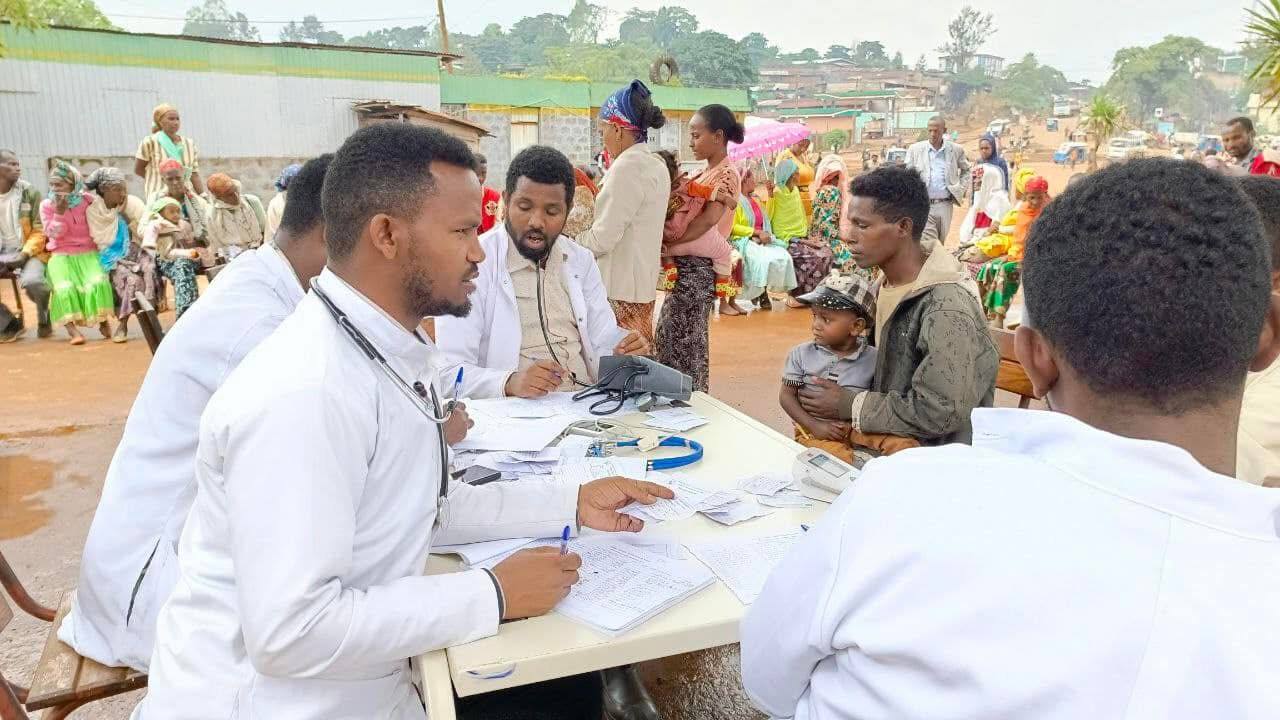
The training focuses on building a resilient community-based emergency care system by strengthening the capacity of health professionals and Community First Aid Responders (CFARs). Participants are receiving comprehensive training in first aid, early emergency response, timely referral, and initial pre-hospital care. The initiative also aims to establish an integrated referral system that connects communities, CFARs, and health facilities through innovative communication and feedback mechanisms, ensuring a seamless continuum of care.
 Furthermore, the program emphasizes the implementation of evidence-based and context-appropriate emergency care protocols to enhance service quality, efficiency, and timeliness. A robust monitoring and evaluation framework is incorporated to track response times, service quality, and patient outcomes. Community engagement and ownership are also prioritized by embedding the program within existing local governance and health system structures, thereby promoting long-term sustainability.
The direct beneficiaries of this training include community members, who will receive timely first aid and coordinated emergency transport, as well as local health professionals and CFARs, who will gain enhanced skills, clearly defined roles, and essential resources. Indirectly, the broader population of East Wollega will benefit from a strengthened and more resilient emergency care system. In addition, local and regional health authorities will gain a scalable and replicable model for community-based pre-hospital care.
Expected outcomes of the initiative include reduced emergency response times, decreased preventable mortality, and increased utilization of evidence-based first aid practices by trained CFARs. The establishment of a functional and integrated referral system, along with sustained local training and supervision, is expected to foster strong community ownership and institutionalize a cost-effective and scalable emergency care model that enhances overall health system resilience and effectiveness.
The training is facilitated by staff members of the Wollega University Institute of Health Sciences.
Participants in this training include health professionals drawn from the Zonal Health Department; Woreda and Town Health Offices (including Nekemte Town, Leeqaa Dulacha, and Diga); selected Health Centers (Nekemte, Efa, Arjo Gudatu, and Gatama); and Health Posts. These Health Posts include those from Diga District (Gudatu Arjo Kebele 01 and 02, Kersa Dako, Meda Jalala, Degaga Didesa, Oda Didesa, and Efa Town), Leeqaa Dulacha District (Badhoo and Gudina), and Nekemte Town (Bake Jama Sub-city).
Reported by Kalbessa B
March 19,2026