Dear Esteemed Colleagues and Partners,
 It is my great pleasure to present the official profile of the School of Nursing and Midwifery under the Institute of Health Sciences, Wallaga University. Our school has made remarkable progress in advancing academic excellence, professional competence, and community service through quality education, research, and healthcare service delivery.
We remain committed to producing competent and compassionate nurses and midwives who contribute meaningfully to the health system of Ethiopia and beyond. I extend my sincere appreciation to our academic, clinical, and administrative staff for their dedication, and to the University administration for its continued support.
With best regards,
Mr. Tesfaye Abera Gudeta (MSc, Assistant Professor)
Director, Nursing and Midwifery Academic and Service Directorate
Wallaga University
1. Introduction
The School of Nursing and Midwifery was established in 2007 under the Faculty of Health Sciences and later reorganized as a School under the Institute of Health Sciences, Wallaga University. Since its inception, the School has expanded its programs, improved teaching and learning facilities, and strengthened its contribution to the regional and national health sector.
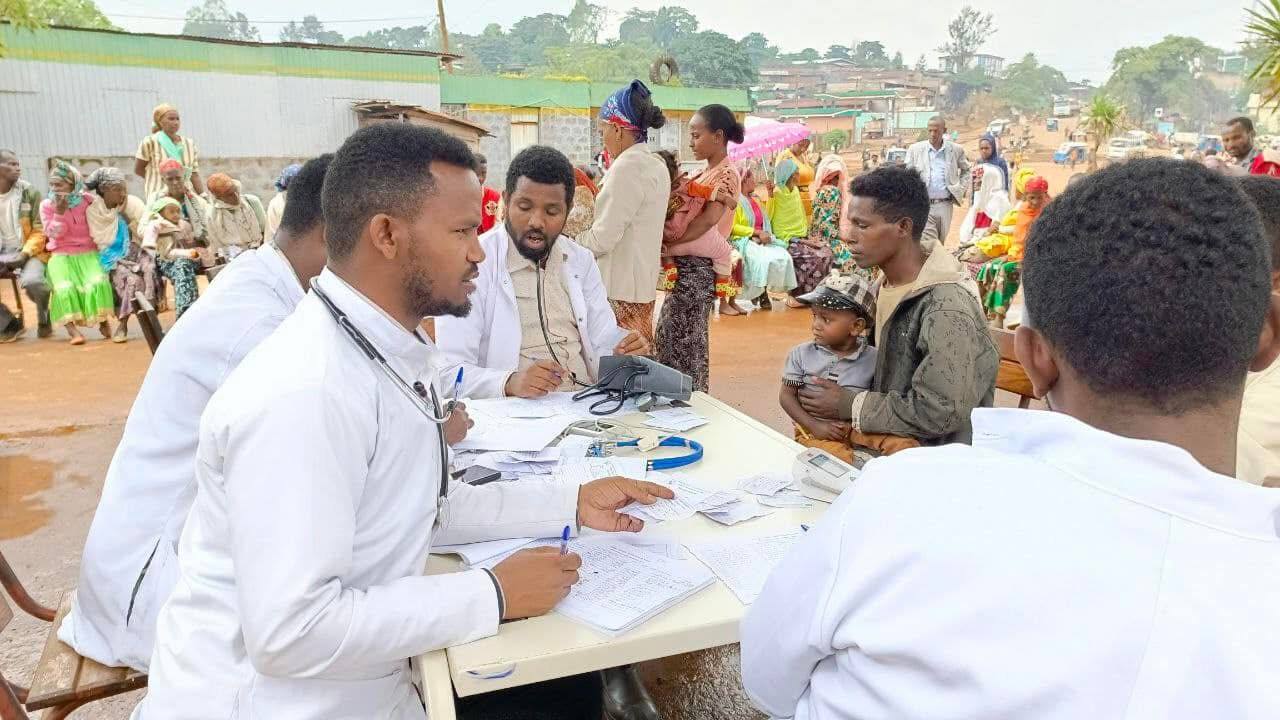
Currently, the School offers twelve academic programs: eight undergraduate and four postgraduate programs and provides essential teaching learning, research, community service and clinical services in Wallaga University Comprehensive Specialized Hospital. The School plays a key role in training competent nurses and midwives who serve in hospitals, health centers, and community settings across Ethiopia.
2. Vision, Mission, and Core Values
Vision:
To be a center of excellence in nursing and midwifery education, research, and service at national and international levels.
Mission:
To produce competent, ethical, and compassionate nursing and midwifery professionals through high-quality education, evidence-based practice, and community engagement.
Core Values:
Academic excellence, professionalism, teamwork, ethical conduct, innovation, gender equity, and community-centered service.
3. Departments under the school
- Department of Comprehensive Nursing
- Department of Midwifery
- Department of Pediatrics and Neonatal Nursing
- Department of Psychiatric Nursing
- Department of Emergency and critical Care Nursing
- Department of Surgical Nursing
4. Departments planned to be independent
1. Department of Neonatal Health Nursing
2. Department of Operating Technique Nursing
3. Department of Ophthalmic Nursing
5. Programs planned to be launched and curriculum is being prepared
1. MSc in Neonatal Health Nursing Residency
6. Academic Programs
- The School of Nursing and Midwifery currently runs the following programs:
- Undergraduate Programs:
BSc in Comprehensive Nursing
2. BSc in Midwifery
3. BSc in Psychiatry Nursing
4. BSc in Pediatric and Child Health Nursing
5. BSc in Neonatal Nursing
6. BSc in Surgical Nursing
7. BSc in Emergency and Critical Care Nursing
8. BSc in Ophthalmic Nursing
9. BSc in Operation Theater Nursing
Undergraduate Programs (Post Basic programs)
- BSc in Midwifery
- BSc in Psychiatry Nursing
- BSc in Pediatric and Child Health Nursing
- BSc in Neonatal Nursing
- BSc in Surgical Nursing
- BSc in Emergency and Critical Care Nursing
- BSc in Ophthalmic Nursing
- Operation Technique Nursing
Postgraduate Programs:
1. MSc in Maternity and Reproductive Health Nursing
2. MSc in Adult Health Nursing
3. MSc in Pediatric and Child Health Nursing
4. MSc in Clinical Midwifery
7. Student and Staff Profile
Currently, the School of Nursing and Midwifery has a total of 462 active students, comprising 440 undergraduate and 22 postgraduate students. Since its establishment, the School has admitted more than 2,300 students and graduated over 1,900 professionals who are now serving in diverse healthcare settings across Ethiopia. The School is staffed by 92 academic instructors, 230 clinical staff, and 14 supportive staff, ensuring high-quality teaching, clinical mentoring, and administrative support.
8. Infrastructure and Resources
The School has well-equipped teaching and administrative facilities including 20 classrooms, 18 offices, two equipped skills laboratories, one library, a smart classroom, computer and internet access, and teaching aids such as LCD projectors, computers, and printers. These facilities support effective teaching, learning, and research activities.
9. Key Achievements and Contributions
- Expanded undergraduate and postgraduate programs to address national human resource needs in health.
- Strengthened collaboration with Wallaga University Comprehensive Specialized Hospital for clinical training and service delivery.
- Promoted community engagement through outreah, maternal health education, and clinical mentorship.
- Improved academic quality through staff development and postgraduate training.
- Contributed to national efforts in improving maternal, neonatal, and child health outcomes.
The School of Nursing and Midwifery continues to uphold Wallaga University’s mission of excellence in education, research, and community service. With sustained support from the University administration and partners, the School strives to remain a leading institution in producing skilled nursing and midwifery profession