Vision
To be a center of excellence in pharmaceutical education, research, and patient-centered care, recognized globally for advancing health through innovation, ethical practice, and service to humanity
Mission
The Department of Pharmacy is committed to:
- Educating and empowering competent, compassionate, and innovative pharmacists and pharmaceutical scientists.
- Advancing pharmaceutical sciences through impactful research and discovery.
- Delivering exemplary patient-centered pharmacy services in collaboration with healthcare teams and the community.
- Promoting safe, rational, and equitable use of medications to improve health outcomes and quality of life.
A. Academic Objectives (Education & Research)
Educational Objectives
- Curriculum Excellence: Design and regularly update an integrated, competency-based curriculum that meets national and international accreditation standards
- Knowledge & Skills: Produce graduates who possess deep knowledge of pharmaceutical sciences (pharmacology, pharmaceutics, clinical pharmacy, pharmacotherapy) and essential skills in communication, critical thinking, and problem-solving.
- Clinical Readiness: Ensure students can perform medication therapy management (MTM), patient counseling, medication safety reviews, and interprofessional collaboration upon graduation.
- Ethical & Legal Foundation: Instill strong ethical principles, legal knowledge, and professionalism in all aspects of pharmacy practice.
- Lifelong Learning: Foster habits of self-directed learning and professional development to adapt to evolving healthcare needs.
Research Objectives
- Innovative Discovery: Encourage faculty and student research in drug development, formulation, pharmacokinetics, pharmacogenomics, and clinical trials.
- Evidence-Based Practice: Generate and translate research findings into evidence-based guidelines for pharmacy practice and patient care.
- Grant & Publication Output: Increase extramural funding, peer-reviewed publications, and presentations at regional/international conferences.
- Collaboration: Establish interdisciplinary research collaborations with medical, nursing, public health, and basic science departments.
- Student Research Integration: Mandate or strongly promote research projects or capstone experiences for undergraduate and postgraduate students.
B. Service Objectives (Patient Care & Community Outreach)
Clinical & Patient Care Service Objectives
- Medication Safety: Implement systematic medication reconciliation, error reporting, and adverse drug reaction monitoring in affiliated hospitals or clinics.
- Patient Counseling: Provide comprehensive counseling to every patient on drug indication, dosage, administration, side effects, storage, and adherence.
- Therapeutic Monitoring: Offer pharmacokinetic consultation, dose adjustment, and monitoring for narrow-therapeutic-index drugs (e.g., warfarin, aminoglycosides).
- Chronic Disease Management: Run pharmacist-led clinics (e.g., diabetes, hypertension, asthma, anticoagulation) to optimize therapy and reduce hospital readmissions.
- Drug Information Service: Operate a drug information center to answer queries from healthcare professionals and the public, promoting rational medicine use.
Community & Public Health Service Objectives
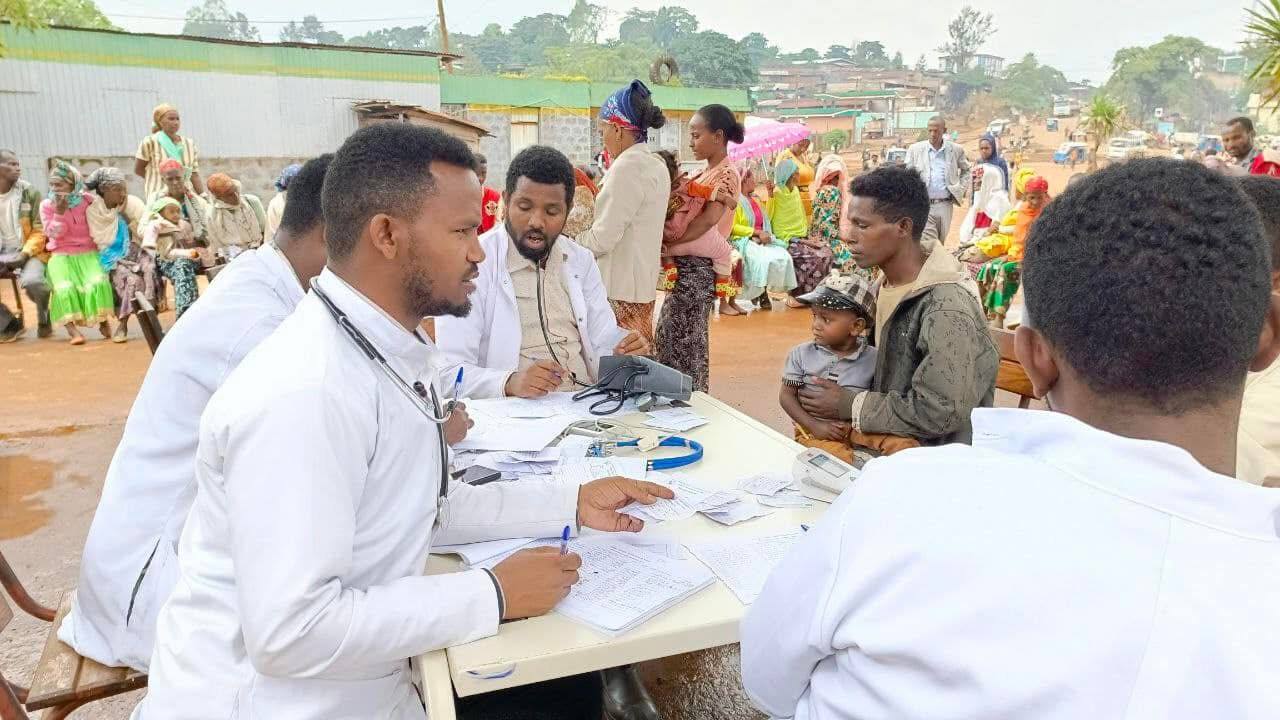
- Health Screening & Immunization: Organize regular health camps (blood pressure, blood glucose, cholesterol) and, where legally permitted, provide pharmacist-administered immunizations.
- Medication Disposal & Stewardship: Lead safe medication disposal programs and antimicrobial stewardship initiatives in community and hospital settings.
- Public Education: Conduct outreach programs on topics like antibiotic resistance, smoking cessation, over-the-counter drug safety, and medication adherence.
- Telepharmacy Services: Extend pharmaceutical care to rural or underserved populations through digital platforms.
- Disaster & Emergency Preparedness: Develop and participate in plans for medication supply chain management during public health emergencies.
C. Overarching / Institutional-Level Objectives
- Quality Improvement: Continuously monitor and improve key performance indicators (KPIs) — e.g., student pass rates (≥80%), research output (≥2 papers/faculty/year), patient satisfaction with pharmacy services (≥85%).
- Accreditation & Compliance: Maintain full compliance with regulatory bodies (Interprofessional Integration: Embed pharmacy students and faculty into medical rounds, primary care teams, and community health projects.
- Alumni & Stakeholder Engagement: Forge strong networks with alumni, employers, hospitals, and pharmaceutical industry partners to inform curriculum and placement.